Top 10 Advantages of Using an IGU Machine
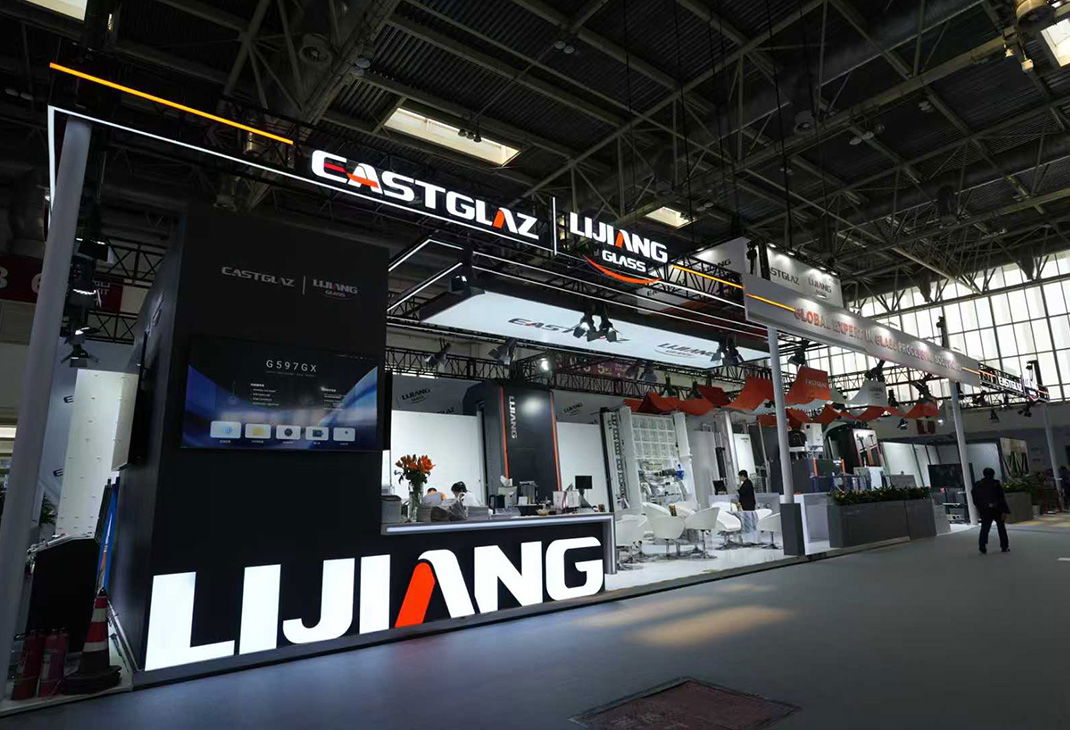
Website: www.LJGlassMachinery.comAn IGU machine (Insulating Glass Unit machine) is used to make double glazing and triple glazing units in a faster and more consistent way. Today, buildings need better energy efficiency, noise reduction, and long service life. Because of this, the quality of insulating glass is more important than ever.Using an IGU machine helps glass factories improve product quality, reduce mistakes, save labor, and increase production speed. It is suitable for both small workshops and large factories. Over time, the production process becomes more stable, easier to manage, and easier to scale.Below are the top 10 advantages of using an IGU machine, explained in simple and clear terms.
1. More Consistent IGU Quality
With manual work, IGU quality can change from one operator to another. Small differences in spacer position, butyl application, or pressing force can cause seal problems later.An IGU machine controls these steps automatically. Spacer placement, butyl coating, glass alignment, and pressing are done in the same way every time. This helps reduce fogging, gas leakage, and early failure. Consistent size and shape also make window installation easier and reduce customer complaints.
2. Faster Production Speed
Making IGUs includes many steps, such as washing, assembly, pressing, and sealing. When done manually, these steps often take more time and cause waiting between processes.An IGU machine connects several steps into one smooth workflow. Machines work faster and do not get tired. Production speed becomes more stable, which helps factories deliver orders on time and handle larger volumes.
3. Less Dependence on Skilled Labor
Manual IGU production needs experienced workers. Training takes time, and staff turnover can affect quality.An IGU machine reduces this problem. Operators mainly set parameters and monitor the process. Training is simpler, and fewer people are needed to run the line. This also improves safety because there is less heavy manual handling of glass.
4. Better Sealing Quality and Longer Service Life
Good sealing is the key to a long‑lasting IGU. Uneven butyl or incorrect pressing can lead to moisture inside the unit.An IGU machine applies butyl evenly and presses the glass with controlled pressure. Clean glass edges and stable assembly help the seal last longer, even under temperature changes and transportation stress.
5. Improved Energy Performance
IGUs help buildings save energy, but only if they are made correctly. If cavity size or alignment is not accurate, thermal performance can drop.IGU machines keep cavity thickness stable and glass parallel. If gas filling is used, machines help keep gas concentration more consistent. This makes it easier to meet energy efficiency requirements.
6. Less Material Waste
Manual production can lead to waste from wrong alignment, seal rework, or glass damage.IGU machines reduce waste by improving accuracy and reducing glass handling. Stable butyl usage and fewer damaged panes help lower material costs and improve overall yield.
7. Better Appearance and Accuracy
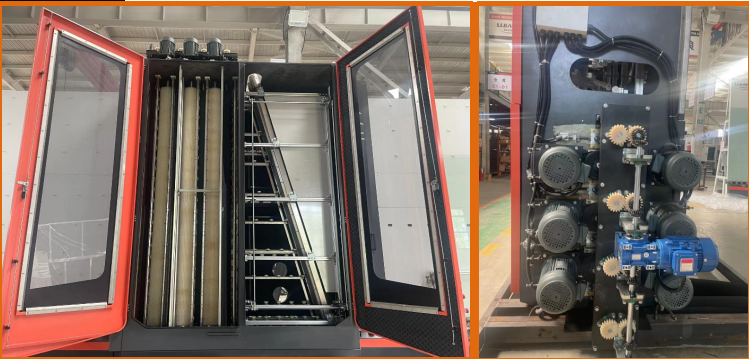
Modern windows and curtain walls need clean edges and consistent spacer alignment. Small visual defects can lead to rejection on site.An IGU machine keeps units square and clean. Integrated washing and drying reduce stains and moisture. The final product looks more professional and reliable.
8. More Product Options
The market now needs triple glazing, acoustic glass, laminated IGUs, and warm‑edge spacers.With an IGU machine, it is easier to produce different configurations with stable quality. Settings can be adjusted for different spacer sizes and glass types, helping factories accept more types of orders.
9. Better Process Control
IGU machines work with clear parameters such as speed, pressure, and temperature.This makes quality control easier. Problems can be found early, not only at final inspection. Production data also helps improve processes and support certification needs.
10. Stronger Competitiveness and Faster ROI
All these advantages help reduce costs and increase efficiency. Fewer remakes, less waste, and higher output improve profitability.Reliable quality and delivery also build customer trust. Over time, investing in an IGU machine helps glass factories stay competitive as energy standards continue to rise.
Conclusion
An IGU machine helps glass manufacturers produce better insulating glass with less effort and more consistency. It improves quality, speed, and reliability.