Are You Still Struggling with Glass Film Scratching and Surface Damage?
In glass processing, protective film application is meant to safeguard glass surfaces from scratches during transportation and further processing. However, many glass factories are facing a frustrating reality:
- The film itself becomes a hidden cause of surface scratches.
- Manual operation leads to inconsistent results and accidental damage.
- Film removal is difficult, often leaving adhesive residue.
- Rework rates increase, and customer complaints follow.
If these problems sound familiar, it may be time to rethink your traditional glass film application process.
Where Do Traditional Glass Film Problems Come From?
1. Heavy Dependence on Manual Operation
Traditional glass film application relies largely on manual work, which often results in:
- Uneven film tension, causing wrinkles or excessive pressure;
- Inconsistent angles during application, increasing surface friction;
- Accidental edge scratches, especially on large-format glass.
2. Low Film Utilization and Hidden Material Costs
Due to manual cutting and frequent film changes, material utilization is typically only 80–90%, leading to unnecessary waste and higher consumable costs.
3. Frequent Film Changes Disrupt Production Flow
Different glass sizes and thicknesses require constant adjustment and film replacement. Each batch change can take an extra 10–20 minutes, significantly reducing overall productivity.
The Real Issue: Not Whether to Apply Film, but How
In today’s glass factories, where high quality, high efficiency, and reduced labor dependence are essential, film application must evolve. That is why automated and intelligent glass film solutions are becoming the preferred choice for modern glass processors.
How Does an Intelligent Glass Film Solution Prevent Scratching?
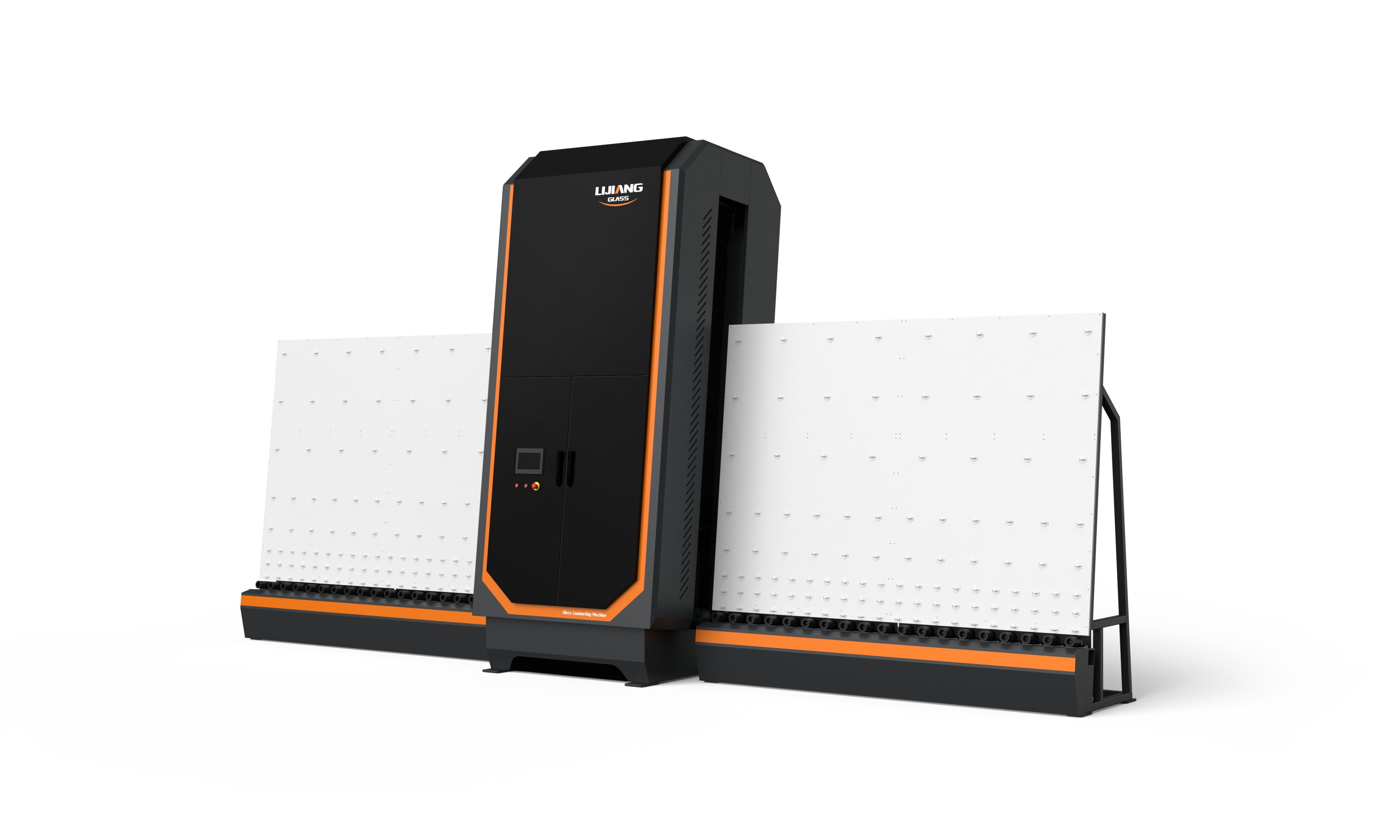
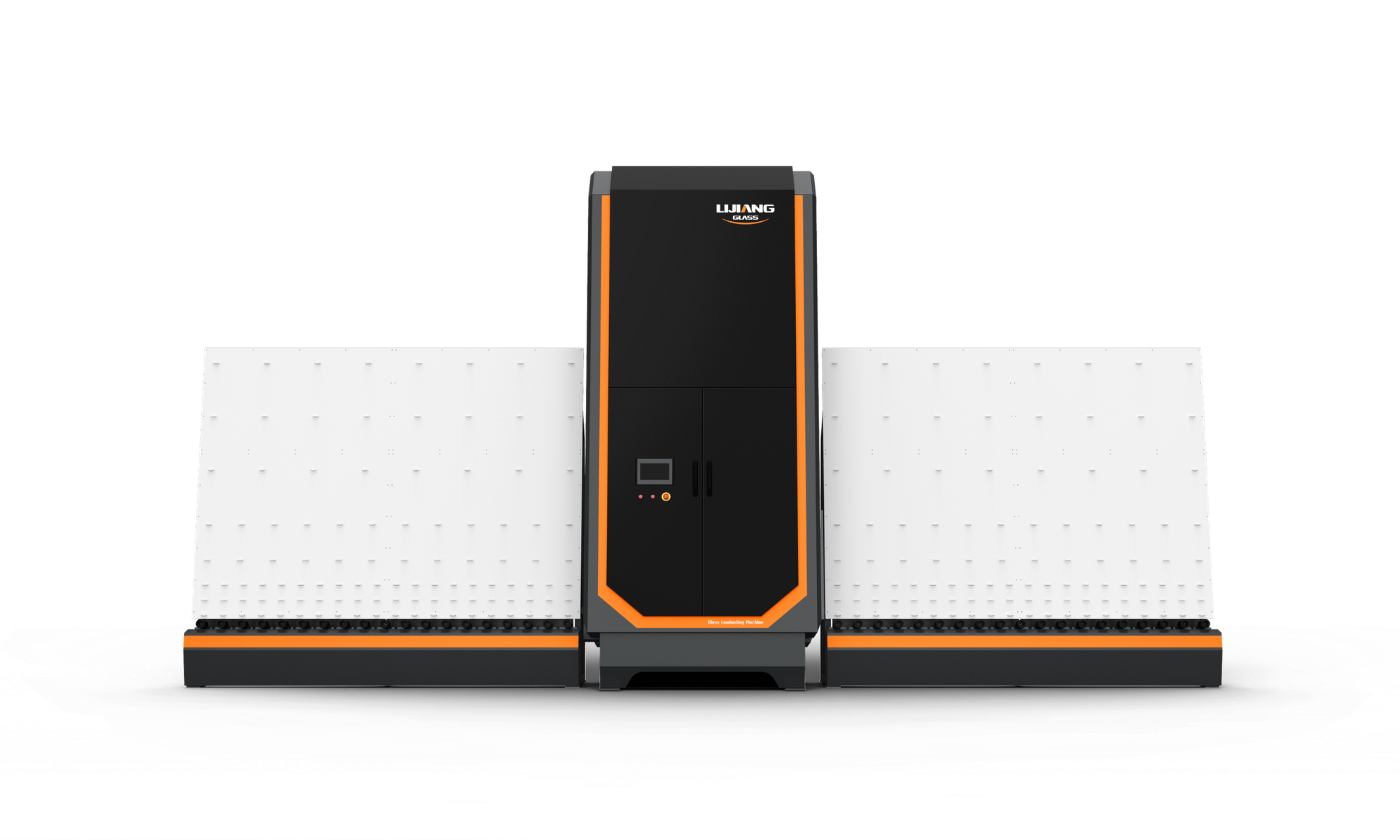
Taking LIJIANG Automation’s glass film solution as an example, its advantages include:
✅ Precision Control for Minimal Surface Contact
- Equipped with 16 high-precision servo motors;
- 3D trajectory control ensures smooth and stable film application.
- Intelligent tension control prevents scratches caused by uneven or excessive pressure.
✅ Automatic Glass Size Recognition
- Automatically detects glass length, width, and thickness;
- Adapts to glass thicknesses from 15–60 mm;
- Automatically switches film rolls without manual intervention.
✅ Fully Automated Operation for Safer Glass Handling
- No manual film peeling or repeated contact with the glass surface;
- An inline operation can reduce one operator.
- Significantly lowers the risk of scratches and breakage.
More Than Scratch Prevention: A Complete Efficiency Upgrade
Choosing an intelligent glass film system delivers benefits beyond surface protection:
- 📈 Single-shift output ≥200㎡ with stable production rhythm;
- ⚙️ Equipment utilization rate above 95%;
- ♻️ Film utilization up to 95%+, reducing material waste;
- ⏱️ Less downtime from frequent film changes.
In addition, the system supports custom logo printing on transparent film, helping customers enhance brand identity while reducing customized film material costs.
Give Your Glass Surface a Safer Choice
The purpose of glass film application is protection, not introducing new risks. If your factory is aiming for:
- Higher finished product quality;
- Lower labor dependence;
- More stable production flow;
- More professional delivery standards.
Then an intelligent glass film application solution is no longer optional—it is a key step toward stronger competitiveness.
📌 If you are still troubled by glass film scratching and surface damage, it may be time for a real process upgrade.LIJIANG Automation helps glass factories move toward safer, smarter, and more efficient manufacturing.intelligent glass film application solution