How an Automatic Glass Line Improves ROI in 1–2 Years
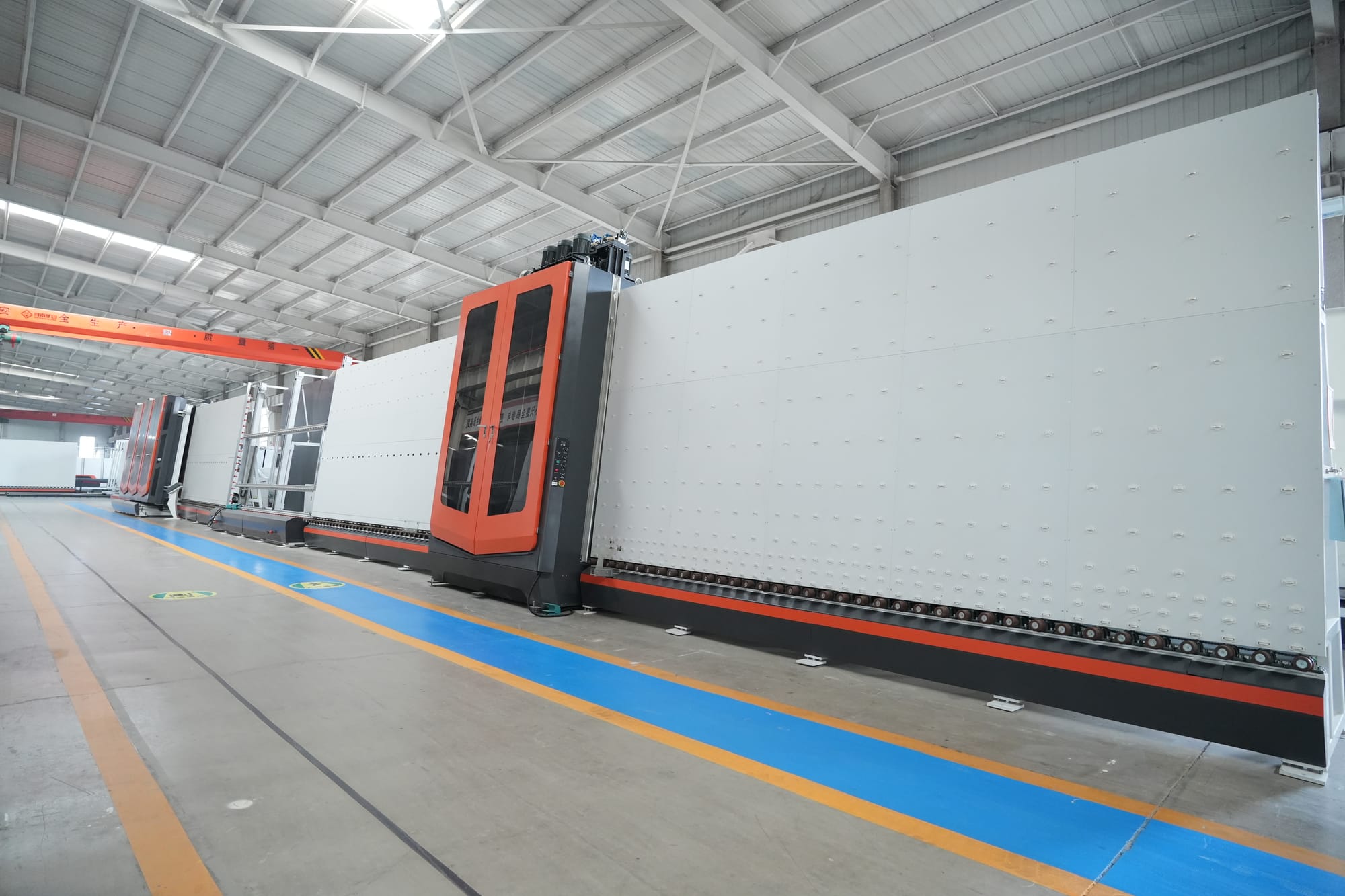
In today’s highly competitive glass processing industry, manufacturers are under constant pressure to reduce costs, improve efficiency, and deliver consistent quality. Many glass factories still rely on semi-automatic or labor-intensive production methods, but rising labor costs and higher quality expectations make this increasingly unsustainable.An automatic glass production line is no longer just an upgrade—it is a strategic investment. For many glass processors, the return on investment (ROI) can be achieved within 1–2 years. Here’s how.
1. Significant Labor Cost Reduction
One of the fastest ways an automatic glass line improves ROI is by reducing labor dependency.Traditional glass processing lines often require multiple operators for loading, washing, assembling, pressing, sealing, and unloading. In contrast, an automatic glass line integrates these processes into a continuous workflow.Key benefits:
- Fewer operators per shift
- Lower long-term labor costs
- Reduced risk of human error
- Easier workforce management
In many markets, labor savings alone can account for 30–50% of the ROI within the first year.
2. Higher Production Efficiency and Output
Automatic glass lines are designed for continuous, high-speed operation. Compared with manual or semi-automatic lines, production efficiency can increase dramatically.Efficiency improvements include:
- Faster cycle times
- Stable production speed
- Reduced downtime
- Optimized workflow between stations
For insulating glass manufacturers, output can often increase by 30–60% without expanding factory space. Higher output means more orders fulfilled in less time, directly improving revenue.
3. Consistent Quality, Less Rework
Quality consistency is critical in glass processing, especially for insulating glass, Low-E glass, and architectural applications.Automatic glass lines use:
- PLC-controlled systems
- Precise sensors and positioning
- Automatic glass identification (clear, coated, Low-E)
This ensures stable washing quality, accurate spacer placement, uniform pressing, and reliable sealing.Result:
- Fewer defective units
- Lower rework and scrap rates
- Reduced material waste
Even a small reduction in waste (5–10%) can translate into substantial annual savings.
4. Energy and Material Savings
Modern automatic glass production lines are designed with energy efficiency in mind.Cost-saving features include:
- Intelligent motor control
- Optimized heating and drying systems
- Precise sealant application
- Controlled argon gas filling
These features reduce electricity consumption, sealant waste, and gas loss—helping factories control operating costs while maintaining high performance.
5. Faster Order Delivery and Better Customer Satisfaction
With improved efficiency and stable quality, factories can:
- Shorten delivery times
- Handle larger or urgent orders
- Maintain consistent product standards
This leads to higher customer satisfaction, repeat orders, and stronger long-term partnerships. In many cases, increased customer trust directly results in higher order value and better margins.
6. Lower Maintenance and Long-Term Stability
High-quality automatic glass lines use internationally recognized components such as Siemens PLC systems and durable mechanical structures.Long-term advantages:
- Stable operation
- Predictable maintenance schedules
- Reduced unexpected downtime
Lower maintenance costs and fewer production interruptions further accelerate ROI.
7. Realistic ROI Timeline: Why 1–2 Years Is Achievable
When combining:
- Labor savings
- Increased production capacity
- Reduced waste
- Energy efficiency
- Higher sales volume
Most glass processors find that an automatic glass line can pay for itself within 12–24 months, depending on production scale and market demand.Beyond this period, the equipment continues to generate profit for many years, making it a long-term competitive advantage.
Conclusion: A Smart Investment for Future Growth
An automatic glass production line is not just about automation—it’s about building a more efficient, reliable, and profitable glass factory.For manufacturers looking to scale production, control costs, and meet higher market standards, investing in an automatic glass line is one of the most effective ways to achieve a strong ROI in 1–2 years.At LIJIANG Glass, we focus on providing intelligent, stable, and cost-effective automatic glass processing solutions to help customers worldwide grow faster and smarter.
Related Keywords for SEO:Automatic glass production line, insulating glass line, automatic insulating glass machine, glass processing automation, glass machinery manufacturer, insulating glass equipment, smart glass factory