Automatic vs Semi-Automatic Glass Processing Machines: Which Is Better?
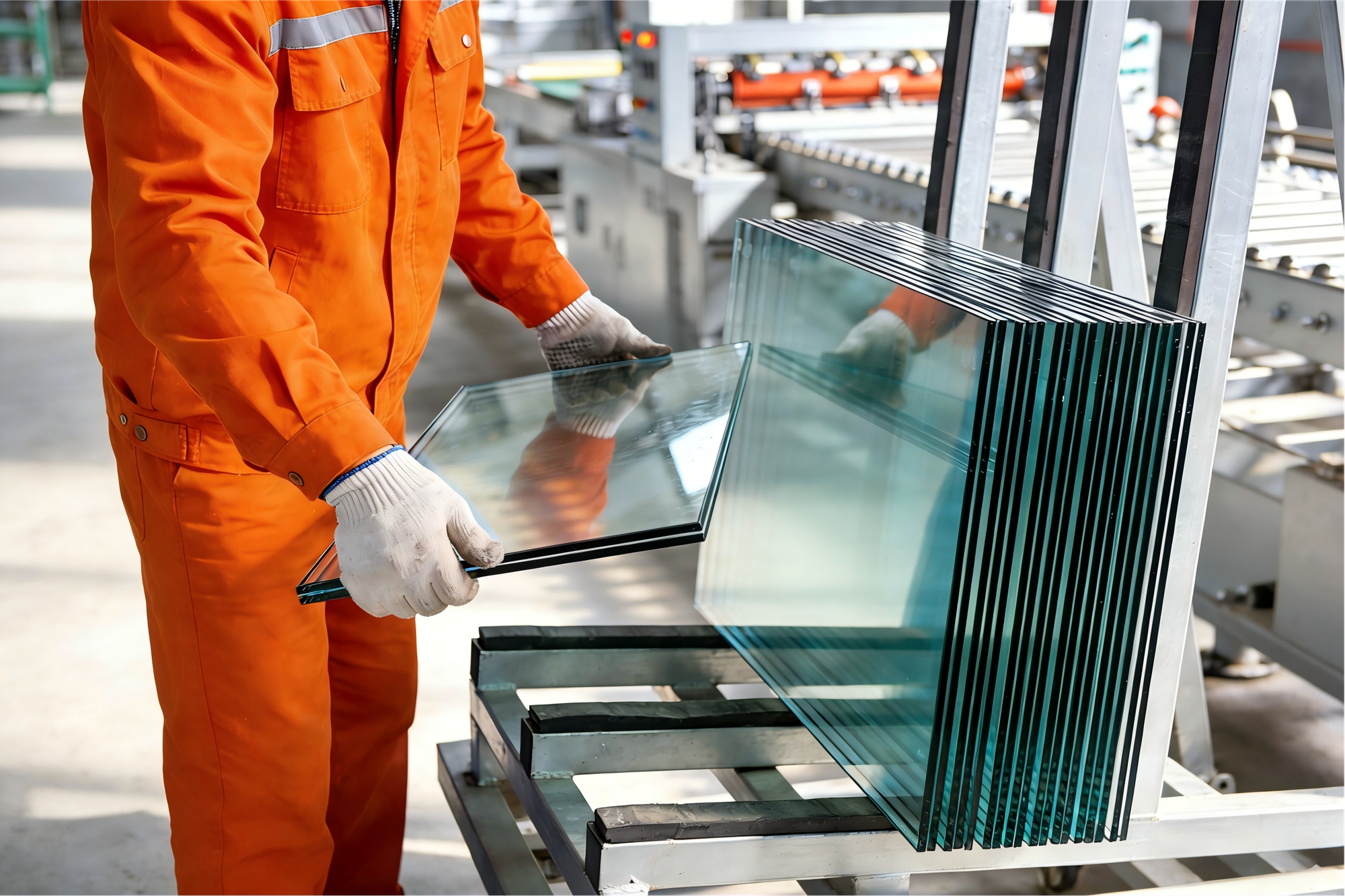
Choosing between automatic and semi-automatic glass processing machines is one of the most common decisions glass manufacturers face when upgrading or building a new production line. The right choice directly affects production efficiency, labor costs, product quality, and long-term profitability.This guide compares automatic and semi-automatic glass processing machines from a practical factory perspective, helping you decide which solution best fits your business.
What Are Automatic Glass Processing Machines?
Automatic glass processing machines are fully integrated systems controlled by PLC programs. From glass loading to processing, transfer, and unloading, most operations are completed automatically with minimal human intervention.
Key Characteristics
- PLC control system with touch screen
- Automatic glass detection and positioning
- Continuous production flow
- High production efficiency and consistency
- Suitable for large-scale glass factories
Typical applications include:
- Automatic insulating glass production lines
- Automatic glass washing and drying machines
- Automatic sealing robots and pressing machines
What Are Semi-Automatic Glass Processing Machines?
Semi-automatic glass processing machines require partial manual operation. Operators load, position, or transfer glass manually while the machine completes specific processing steps.
Key Characteristics
- Manual or assisted glass handling
- Lower initial investment cost
- Flexible operation for different glass sizes
- Suitable for small and medium-sized factories
Typical applications include:
- Semi-automatic glass washing machines
- Manual or semi-automatic glass sealing machines
- Standalone processing equipment
Automatic vs Semi-Automatic: Key Differences
1. Production Efficiency
Automatic machines offer significantly higher throughput. Continuous operation allows factories to process large volumes of glass with stable cycle times. Semi-automatic machines depend heavily on operator speed and experience, which limits overall productivity.Winner: Automatic glass processing machines
2. Labor Cost and Workforce Dependence
Automatic systems require fewer operators, reducing long-term labor costs and dependence on skilled workers. Semi-automatic machines rely more on manual handling, increasing labor requirements and operational variability.Winner: Automatic glass processing machines
3. Product Quality and Consistency
Automatic machines ensure consistent processing parameters, resulting in uniform glass quality and lower defect rates. Semi-automatic machines may experience quality variations due to manual operation.Winner: Automatic glass processing machines
4. Initial Investment Cost
Automatic glass processing machines require a higher upfront investment due to advanced automation, control systems, and integration. Semi-automatic machines are more affordable and suitable for factories with limited budgets.Winner: Semi-automatic glass processing machines
5. Flexibility and Custom Orders
Semi-automatic machines offer greater flexibility for small batch production and custom glass sizes. Automatic machines are optimized for standardized, high-volume production but can be customized with advanced control systems.Winner: Semi-automatic machines for small batches; automatic machines for mass production
Which Glass Processing Machine Is Better for Your Factory?
Choose Automatic Glass Processing Machines If:
- You have a large or growing production demand
- Labor costs are high in your region
- You focus on insulating glass or architectural glass
- You want long-term efficiency and stable quality
Choose Semi-Automatic Glass Processing Machines If:
- You run a small or medium-sized glass factory
- Production volume is limited or varies frequently
- Budget is a key consideration
- You handle many customized glass orders
Cost vs Return on Investment (ROI)
Although automatic glass processing machines have higher initial costs, they typically deliver faster ROI through:
- Higher output
- Lower labor expenses
- Reduced glass breakage and defects
- Improved factory automation level
Semi-automatic machines offer lower risk for startups but may limit future expansion.
Future Trend: From Semi-Automatic to Fully Automatic
Many glass manufacturers start with semi-automatic machines and gradually upgrade to automatic production lines as demand increases. Automation is becoming the industry standard, especially for insulating glass and energy-efficient glass manufacturing.
Conclusion
There is no one-size-fits-all answer when comparing automatic vs semi-automatic glass processing machines. The best choice depends on your factory size, production goals, budget, and long-term strategy. If you aim for higher efficiency, consistent quality, and scalability, automatic glass processing machines are a better long-term investment. If flexibility and lower initial cost are your priorities, semi-automatic machines remain a practical solution.
If you are planning to upgrade your glass factory or build a new insulating glass line, our engineering team can provide customized solutions based on your production needs.