Glass Curtain Wall Design in Museums: A Case Study of the Metropolitan Museum of Art
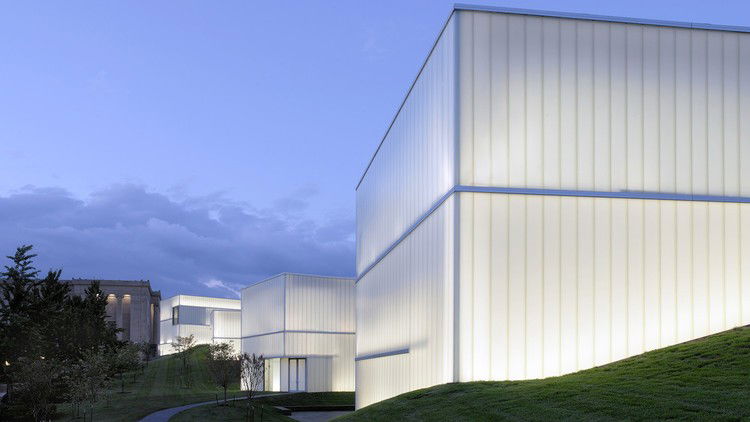
Introduction
Glass curtain walls have become a defining feature of modern museum architecture, combining transparency, aesthetics, and high-performance engineering. However, unlike commercial buildings, museums require strict environmental control to protect valuable artworks.A representative example is The Metropolitan Museum of Art, where glass façade applications demonstrate how advanced glazing systems can balance natural light, energy efficiency, and structural safety.
1. Why Museums Use Glass Curtain Walls
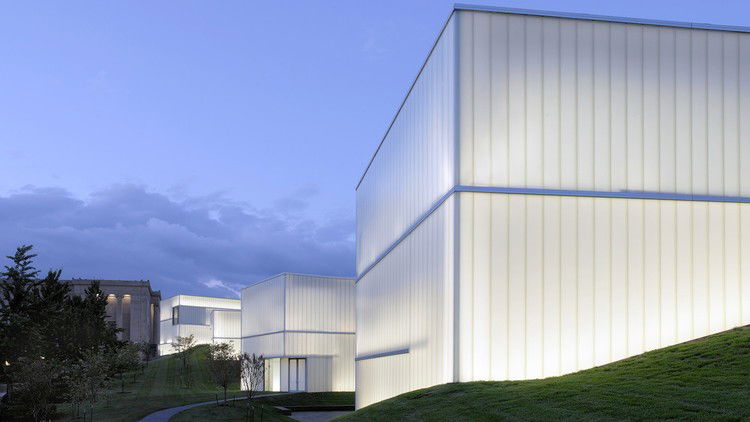
4Modern museums increasingly adopt glass curtain walls for:
- Visual openness – connecting interior exhibition spaces with the city
- Natural daylighting – reducing reliance on artificial lighting
- Architectural identity – enhancing iconic building appearance
However, excessive light exposure can damage sensitive artworks, making performance glass essential.
2. Light Control: The Core Challenge
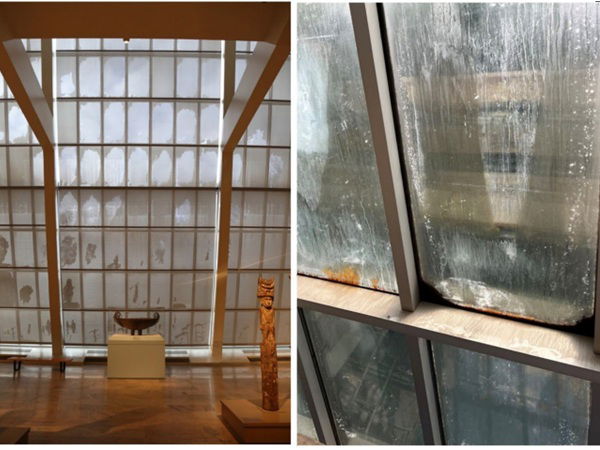
4In projects like The Metropolitan Museum of Art, controlling light is critical.
Key Solutions:
- Low-E Glass (Low Emissivity Coating)
Reduces UV and infrared transmission while maintaining visible light - Insulating Glass Units (IGU)
Double or triple glazing improves thermal insulation - Diffuse Light Design
Ensures soft, uniform lighting for exhibition spaces - Integrated Shading Systems
Dynamic control of sunlight throughout the day
👉 In short: Glass must not only transmit light — it must manage it.
3. Structural Safety Requirements
4Museum glass curtain walls must meet strict safety standards:
- Laminated glass → prevents dangerous breakage
- Tempered glass → increases impact resistance
- Wind load resistance → critical for large façades
- Long-term durability → stable under temperature and humidity changes
Most high-end museum façades use tempered + laminated + IGU combinations.
4. Energy Efficiency & Sustainability
4Energy performance is a key driver in modern façade design:
- Double/triple glazing reduces heat transfer
- Coated glass improves insulation performance
- Natural daylight reduces energy consumption
- Airtight systems improve HVAC efficiency
👉 Many museum projects aim to meet green building standards such as LEED.
5. Manufacturing Perspective: What Equipment Is Required?
From a glass processing standpoint, museum-grade curtain wall projects require high precision and automation.
Key Production Equipment:
- Glass Cutting Machine → for complex shapes
- Low-E Edge Deleting Machine → ensures coating quality
- Glass Washing Machine → critical for coating adhesion
- Insulating Glass Production Line (IG Line) → core system
- Automatic Sealing Robot → ensures airtight IGU performance
Why IG Line Quality Matters:
- Gas filling (argon) affects insulation performance
- Sealing quality determines lifespan
- Cleaning precision impacts final appearance
👉 Learn more about IG production solutions:
https://www.ljglassmachinery.com
6. Industry Insight: Trends from Museum Projects
Based on projects like The Metropolitan Museum of Art, the industry is moving toward:
- High-performance coated glass as standard
- Increasing demand for IGU production lines
- Automation replacing manual processes
- Integration with smart building systems
- Strong focus on energy efficiency
Conclusion
Museum glass curtain walls represent one of the most demanding applications in architectural glass. They require a precise balance between:
- Light transmission
- Thermal performance
- Structural safety
- Long-term durability
For glass processors and manufacturers, this means upgrading both technology and production capability to meet global architectural standards.
Looking to supply glass for architectural or curtain wall projects? At LIJIANG Glass / EASTGLAZ, we provide:
- ✔ Complete IG Line Solutions
- ✔ Automatic Sealing Robots
- ✔ Glass Washing & Processing Equipment
- ✔ Turnkey Glass Factory Planning
👉 Get your free solution today: